
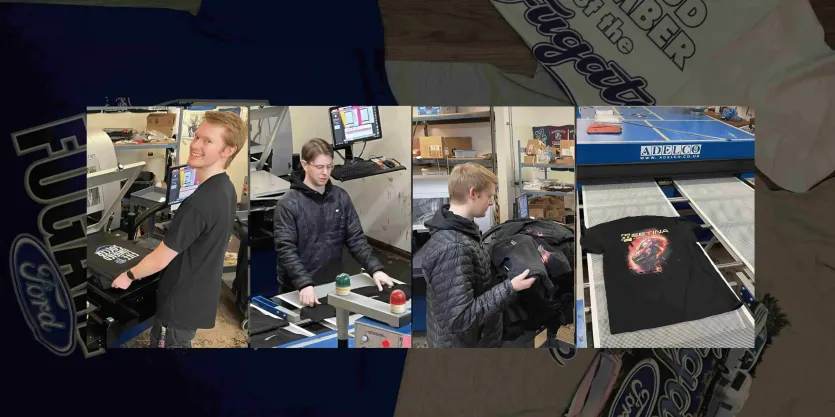
Direct-to-Garment printing allows you to create vibrant, detailed designs on various fabrics. But to achieve the best results, it’s essential to understand how to print on different materials. Fabric choice plays a critical role in the success of DTG printing, impacting the quality and durability of the final product. This article reveals the best practices for DTG printing on different fabrics, so you can get stunning, durable DTG prints every time.
What is DTG Printing?
DTG printing is a method where designs are printed directly onto fabric using specialized inkjet technology. This technique offers several advantages, such as vibrant colors, intricate details, and the ability to print on demand without minimum order quantities.
How DTG Printing Works
The process begins with a digital design that is printed directly onto the fabric using a DTG printer. The printer applies the ink in a way that allows it to be absorbed by the fabric, resulting in a soft, durable print. The printed garment is then cured using heat to ensure the ink bonds with the fabric fibers.
Types of Fabrics for DTG Printing
Natural Fabrics
Natural fabrics like cotton, linen, hemp, bamboo, and wool are excellent choices for DTG printing. These fabrics are highly absorbent, allowing the ink to penetrate deeply and produce vibrant, long-lasting prints.
- Cotton: Cotton is the king of DTG printing. It absorbs ink well, resulting in bright, vivid prints. For the best results, use high-quality cotton fabrics like ring-spun or combed cotton.
- Linen: Linen is another natural fabric that works well with DTG printing. It absorbs moisture effectively, though it tends to wrinkle easily.
Synthetic Fabrics
Synthetic fabrics, such as polyester, nylon, acrylic, lycra, and viscose, present more challenges for DTG printing. These fabrics are less absorbent and may require specialized pretreatment and inks.
Polyester is commonly used in athletic wear and requires special pretreatment to ensure the ink adheres properly. Dye migration can be an issue, so it’s crucial to test and adjust your settings accordingly.
Blends
Blended fabrics, such as poly-cotton blends, offer a balance between the comfort of cotton and the durability of synthetics. They can be a bit tricky to print on, but with the right techniques, you can achieve excellent results.
Poly-Cotton: This blend combines the best of both worlds, providing a lightweight, breathable fabric that’s easier to print on than pure synthetics.
Preparing Fabrics for Printing
Pre-treatment process
Pretreatment is a critical step in DTG printing, especially for dark garments and blends. It helps the ink adhere to the fabric, resulting in sharper, more vibrant prints.
Applying Pretreatment: Use a DTG-specific pretreatment solution and apply an even layer to the print area. Cure the pretreatment with a heat press to activate it before printing.
Setting Up Your Garment
Proper garment setup ensures that the fabric is aligned correctly and free of wrinkles or folds that could affect print quality.
Alignment: Secure the garment onto the printer’s platen, making sure it is perfectly aligned. Any misalignment can result in distorted or skewed prints.
Optimizing Print Quality
High-Resolution Designs
To achieve crisp, clear prints, use high-resolution artwork. Aim for a minimum of 300 DPI at the desired print size.
File Preparation: Convert your designs to the CMYK color model to ensure accurate color reproduction. Remove any background layers to avoid unwanted white boxes around your design.
Ink and Print Settings
Understanding and optimizing your DTG printer’s settings is crucial for achieving the best results.
- Ink Limits: Adjust ink limits based on the fabric type. Thicker fabrics may require more ink, while thinner fabrics need less.
- Print Resolutions: Experiment with different print resolutions to find the perfect balance for your specific designs and garments.

Detailed, Durable, Direct-to-Garment Printing
Perfect for intricate designs, small-batch orders, and eye-catching colors. Make your brand vision a reality with DTG printing.
Get Custom DTG Printing SolutionCuring and Post-Printing Care
Heat Curing
Properly curing the ink is essential to ensure it bonds well with the fabric, enhancing the print’s durability.
Heat Press or Conveyor Dryer: Use the appropriate method to cure the ink at the correct temperature and duration. Improper curing can lead to premature fading, cracking, or peeling.
Quality Control
After curing, perform a quality check to ensure the print matches your design’s precision and colors.
Inspection: Look for any loose threads or imperfections and correct them before packaging and delivery.
Related Posts That You might Enjoy
Tips for Optimal DTG Printing Results
Test Prints
Before committing to a full production run, print a sample batch to evaluate the colors, quality, and overall appearance.
Adjustments: Based on the test prints, make any necessary adjustments to your print settings, pretreatment, or design files.
Proper Garment Care
Educate your customers on how to care for their printed garments to ensure longevity.
Washing Instructions: Recommend gentle washing techniques, such as washing garments inside out with cold water and using mild detergents.
Troubleshooting Common Issues
Printing on Dark Fabrics
Printing on dark fabrics requires additional steps, such as using a white ink underbase to ensure vibrant prints.
White Ink Underbase: Apply a white ink layer before the colored inks to enhance the print’s visibility and vibrancy.
Dealing with Dye Migration
Dye migration occurs when dye from polyester fabric bleeds into the printed ink, causing color distortion.
Preventing Dye Migration: Use specialized pretreatment and inks designed for polyester fabrics. Regularly test and adjust your settings to minimize this issue.
Advanced Techniques for Enhanced Prints
Layering Colors
For detailed designs, layering colors can create stunning, high-quality prints.
Multi-Pass Printing: Use multiple passes of the print head to layer colors and achieve the desired effect.
Special Effects
Experiment with special effects, such as metallic inks or glow-in-the-dark prints, to add a unique touch to your garments.
Specialty Inks: Ensure your DTG printer is compatible with these inks and test thoroughly to perfect your technique.
FAQs: Common Questions About DTG Printing on Different Fabrics
100% cotton is generally the best fabric for DTG printing due to its high absorbency and ability to produce vibrant, detailed prints.
Yes, but it requires specialized pretreatment and inks. Polyester can present challenges like dye migration, so testing and adjustments are necessary.
Wash garments inside out with cold water and use mild detergents to preserve the print quality. Avoid harsh chemicals and high-temperature washes.
Conclusion
Mastering the art of DTG printing on different fabrics requires knowledge, experimentation, and attention to detail. By following these best practices, you can achieve stunning, durable prints that will delight your customers and set your business apart. Whether you’re printing on cotton, polyester, or blends, the key is to understand the unique properties of each fabric and adjust your techniques accordingly.


