
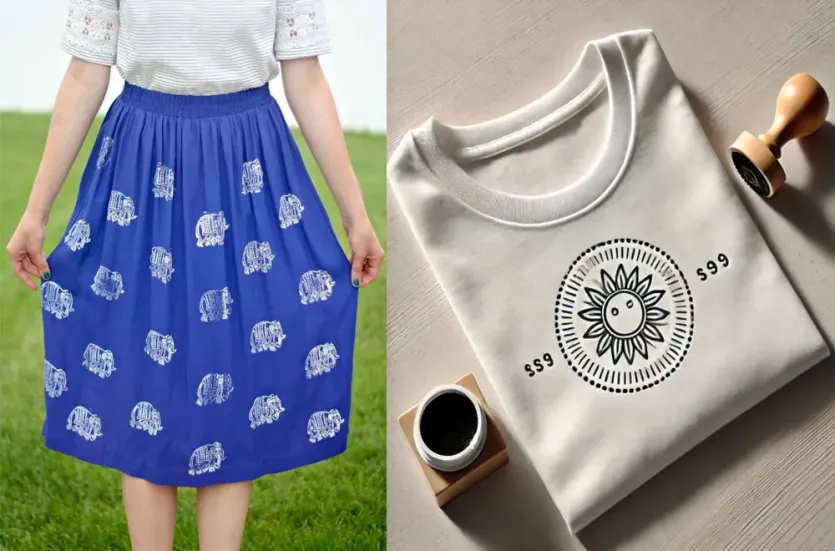
Customizing clothes has become a popular way to add personality and flair to wardrobes. Whether it’s a branded logo on a t-shirt, a creative design on tote bags, or unique graphics on hoodies, clothing customization offers countless possibilities. Among these methods, stamping designs on clothes stands out for its affordability, simplicity, and versatility.
Stamping, a technique that transfers designs using inks and templates, is widely used for personal projects, businesses, and events. From small-scale DIY enthusiasts to large companies looking to create promotional apparel, this technique offers a practical solution. But what does it actually cost to stamp designs on clothes? This guide dives deep into the factors affecting pricing, breaking down the design complexity, materials, labor, and more to give you a clear picture of what to expect.
By the end of this guide, you’ll know how costs vary depending on the choices you make, plus tips to get the most value out of your stamping projects.
1. Understanding Clothing Stamping
What Is Stamping in Textile Customization?
Stamping is a technique that uses pre-made or custom templates to imprint designs onto fabrics. It involves applying ink or dye to the stamp and pressing it onto clothing. This process creates sharp, vibrant designs that last through multiple washes. Unlike screen printing or embroidery, stamping is a faster and often more budget-friendly option.
History of Stamp Designs on Clothes
Stamping has been around for centuries. Ancient civilizations used hand-carved stamps to create patterns on fabric for ceremonial garments. Over time, the process evolved, incorporating advanced tools like digital templates and specialized inks to suit modern demands.
Why Is Stamping Popular?
Stamping is highly versatile. It’s perfect for customizing t-shirts, canvas bags, and even sports jerseys. Small businesses love it for branding purposes, while individuals often use it for personal projects like family reunions or themed events. Its popularity also stems from the fact that it works on a variety of materials, making it a ideal choice for all kinds of apparel.
Factors Affect Stamping Costs
Stamping costs vary based on several factors that can significantly impact your total bill. Here’s what you need to consider:
1. Design Complexity

The more intricate your design, the higher the cost. Simple designs, like a single-color logo or text, are quicker and cheaper to produce. On the other hand, detailed patterns or multi-layered graphics require more time, effort, and precision, increasing both labor and material costs.
- Example: A straightforward, one-color company logo might cost $10 per item, while a highly detailed graphic with multiple colors could cost upwards of $30 per item.
2. Type of Fabric
Not all fabrics are created equal. Some materials, like cotton, absorb ink better and are easier to stamp, making them more cost-effective. Fabrics like polyester or blends may require specialized inks or pre-treatment, which adds to the overall expense.
- Cost Variation: Stamping a design on a basic cotton t-shirt may cost around $15, while the same design on polyester athletic wear could cost $20 or more due to additional processing steps.
Related Posts You might Enjoy
3. Quantity of Items
Ordering in bulk can save you a lot of money. Many service providers offer discounted rates for larger orders since the setup costs (like creating the stamp template) are spread across multiple items.
- Example: A single stamped t-shirt might cost $20, but ordering 50 shirts could reduce the cost to $10 per shirt.
4. Number of Colors
The number of colors in your design plays a big role in pricing. Single-color designs are more economical since they require fewer materials and less labor. Multi-color designs, however, need additional steps for each color, increasing the overall cost.
- Cost Implications: Adding a second or third color might raise the price by $3–$5 per item.
5. Turnaround Time
Need your stamped items in a hurry? Expedited orders often come with rush fees. Standard timelines are typically more affordable, while faster delivery can increase costs significantly.
- Example: A rush order completed in 48 hours might cost 20%–30% more than a regular order with a 7-day turnaround.
Detailed Cost Breakdown
To truly understand the cost of stamping designs on clothes, let’s break it down into specific components:
Material Costs
The materials used in stamping, such as inks, stamps, and tools, directly impact the price. Eco-friendly inks, which are becoming increasingly popular, tend to cost more than standard inks.
- Eco-Friendly vs. Standard: Using eco-friendly materials might increase costs by 10%–15% compared to traditional options.
Labor Costs
Labor is another significant factor. Manual stamping, often done for smaller or highly detailed projects, takes more time and skill, increasing labor charges. Machine-assisted stamping, on the other hand, is faster and often more cost-efficient for large orders.
- Manual vs. Machine: Hand-stamped designs may cost $5–$10 more per item than machine-stamped ones, depending on complexity.
Setup Fees
Creating a custom stamp or template involves upfront costs. This one-time expense is usually higher for intricate designs.
- Setup Costs Example: A basic logo might incur a setup fee of $30–$50, while a multi-layered design could cost $100 or more.
Additional Costs
Other costs to consider include shipping, delivery, and potential rework fees if there are errors in the stamping process.
- Shipping Charges: Depending on the provider, shipping could add $10–$50 to your total.
- Rework Fees: Fixing mistakes might cost an additional $5–$15 per item.
Comparing Stamping with Other Methods
Stamping vs. Screen Printing
Cost Analysis and Use Cases:
Stamping is more affordable than screen printing, especially for small orders. Screen printing involves creating a stencil (screen) for each color in the design, which can drive up setup costs significantly. For example, stamping a single-color design might cost $15, while a similar design using screen printing could start at $20 due to the more labor-intensive setup. However, screen printing becomes cost-effective for bulk orders, especially when the same design is repeated on hundreds of items.
Use Case Scenarios:
Stamping is ideal for smaller batches, custom projects, or unique designs with minimal colors. Screen printing works best for large-scale branding efforts, like mass-producing promotional t-shirts.

High-Impact Screen Printing for Your Brand
Long-lasting and cost-effective, screen printing delivers vibrant results for bulk orders. Perfect for uniforms, promotional shirts, and safety gear.
Discover Screen Printing SolutionsStamping vs. Embroidery
Price, Durability, and Design Limitations:
Embroidery is generally more expensive than stamping, with prices ranging from $8–$15 per item for simple logos and up to $50 for intricate designs. While embroidery offers unmatched durability, it has limitations for highly detailed or large designs. Stamping, in contrast, is versatile and can handle intricate graphics at a lower cost.
Design Flexibility:
Stamping is better for colorful, artistic designs that require precision, whereas embroidery shines for corporate logos or simple text.

Precise Embroidery for a Lasting Impression
Elevate your brand with quality embroidery that stands the test of time. Perfect for construction uniforms, corporate wear, and team apparel.
Explore Custom Embroidery OptionsStamping vs. Heat Transfer
Budget Considerations and Design Quality:
Heat transfer involves using heat and pressure to apply vinyl or printed designs to fabric. While heat transfer is affordable for smaller projects (costing $5–$15 per item), it may lack the durability of stamping, as the design can peel or crack over time. Stamping offers a similar price range but ensures longer-lasting results with proper care.
When to Choose Heat Transfer:
Heat transfer is great for one-off projects or highly personalized items, but for bulk orders with vibrant, detailed designs, stamping provides better value and durability.
Why Choose Stamping?
Stamping offers several unique benefits:
- Affordability: Lower upfront costs make it accessible for small businesses and personal projects.
- Versatility: Works on a variety of fabrics and allows for intricate designs.
- Ease of Customization: Quick to set up and ideal for smaller orders or one-off designs. For those looking for a balance between cost, quality, and creativity, stamping is a standout choice.
How to Calculate Stamping Costs
Estimating the cost of stamping designs can be simple with the right steps:
- Identify Key Variables:
- Determine the number of items, design complexity, and type of fabric.
- Decide on the number of colors and desired turnaround time.
- Use a Cost Calculator:
Many stamping providers offer online tools to calculate costs based on your input. These tools provide a quick overview of total expenses, including setup fees and bulk discounts. - Hypothetical Example:
- A customer orders 50 cotton t-shirts with a one-color logo.
- Base price per shirt: $10.
- Setup fee: $40.
- Total cost: ($10 x 50) + $40 = $540.
- Cost per shirt: $10.80.
By inputting your specifics into a calculator, you can easily budget for your project.
Cost-Saving Tips for Stamping Designs
- Order in Bulk:
Larger orders reduce the per-item cost. For instance, ordering 100 shirts instead of 20 can cut costs by up to 30%. - Choose Simple Designs:
Intricate, multi-color designs cost more. Opt for single-color graphics or minimalist designs to save money. - Opt for Local Services:
Shipping fees can add up quickly. Look for local providers to avoid these additional costs. - Plan Ahead:
Avoid rush orders by placing your request well in advance. Standard timelines are more affordable and allow you to avoid surcharges.
Real-World Examples and Case Studies
Success Story: Small Business Branding
A local bakery wanted branded aprons for their staff. They chose stamping for its affordability and quick turnaround. With a bulk order of 50 aprons featuring a single-color logo, their total cost was $550, or $11 per item. The aprons helped enhance their professional image without breaking the bank.
Cost Breakdown for a Personal Project
An artist created 25 custom tote bags for a craft fair. Using a multi-color design, their total cost was $375 ($15 per bag), including a $50 setup fee. The bags sold out at $30 each, giving them a solid profit.
Overcoming Challenges
A clothing brand faced delays due to a last-minute change in their design. By opting for stamping instead of embroidery, they met their deadline without exceeding their budget.
FAQs
Costs vary, but typically range from $10–$30 per item, depending on design complexity, fabric type, and order size.
Yes, there can be additional fees depending on the provider and project requirements. Some common hidden costs include setup fees for custom stamps, extra charges for using eco-friendly inks, and fees for multi-color designs. Shipping costs, rush order surcharges, and rework fees in case of errors can also increase your total bill. To avoid surprises, always ask for a detailed quote before placing your order.
Stamping works best on cotton and blends. Specialized inks may be needed for synthetic fabrics like polyester.
Cotton is generally the most affordable and efficient fabric for stamping designs. It absorbs ink well, ensuring a vibrant and durable print. Polyester and synthetic blends may require special treatments or inks, which can add to the cost. For a budget-friendly project, stick to natural fabrics like cotton or canvas.
Yes, the size of the design plays a big role in determining the cost. Larger designs require more ink and time to apply, which increases material and labor costs. A small logo might cost $10 per item, while a full-front graphic design could cost $20 or more per item. To manage costs, consider scaling down your design or simplifying its elements.
Yes, many providers offer eco-friendly inks and materials at a slightly higher cost.
Yes, with proper care, stamped designs can last for years. However, washing with mild detergents and avoiding high heat is recommended.
Final Words
Stamping is an affordable, versatile method for customizing clothes. Whether you’re branding apparel for your business or creating one-of-a-kind designs, it’s a cost-effective choice that balances quality and creativity. By understanding the factors influencing costs, leveraging bulk discounts, and planning ahead, you can make the most of your stamping projects.


